We don't sell sustainability
We sell furniture that happens to have a good story. Recycled textile waste turned into acoustic art. Polypropylene that biodegrades into soil instead of sitting in landfill for centuries. Ceramic fired in ecological kilns that outlasts everything else in the room.
Every brand we carry does something interesting on the sustainability front. None of them treat it as a marketing exercise.
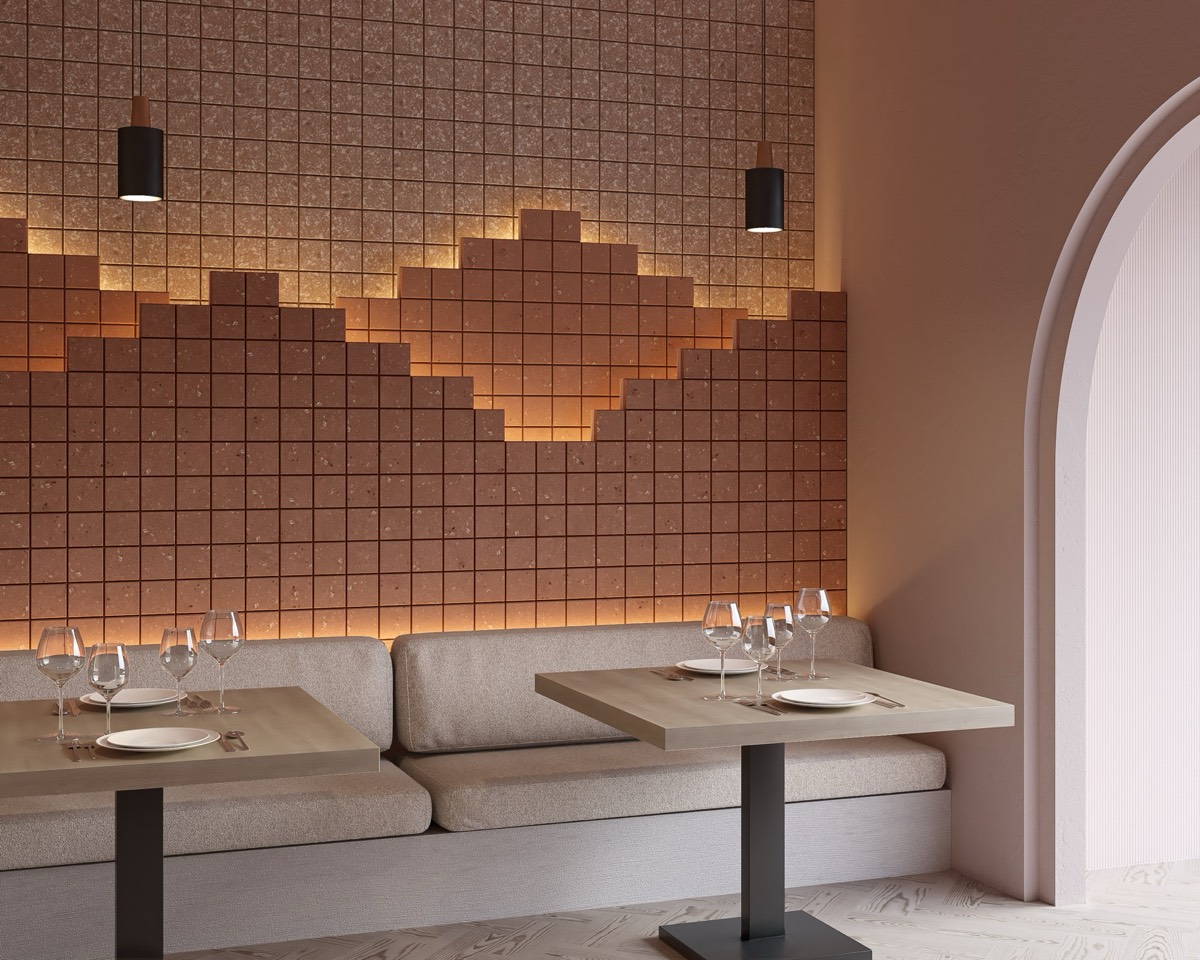
Creavalo — 7.6 kg of waste per square metre
Every Creavalo panel is handmade in Valencia from recycled textiles, some blended with cork, depending on the product line. Stuff that would otherwise go to landfill. Each square metre recovers 7.6 kg of waste material. The panels are acoustic, fire-resistant (B-s2,d0), and thermally insulating. We they look like something you'd commission from an artist.
All from waste.
Heller. Furniture that returns to the earth
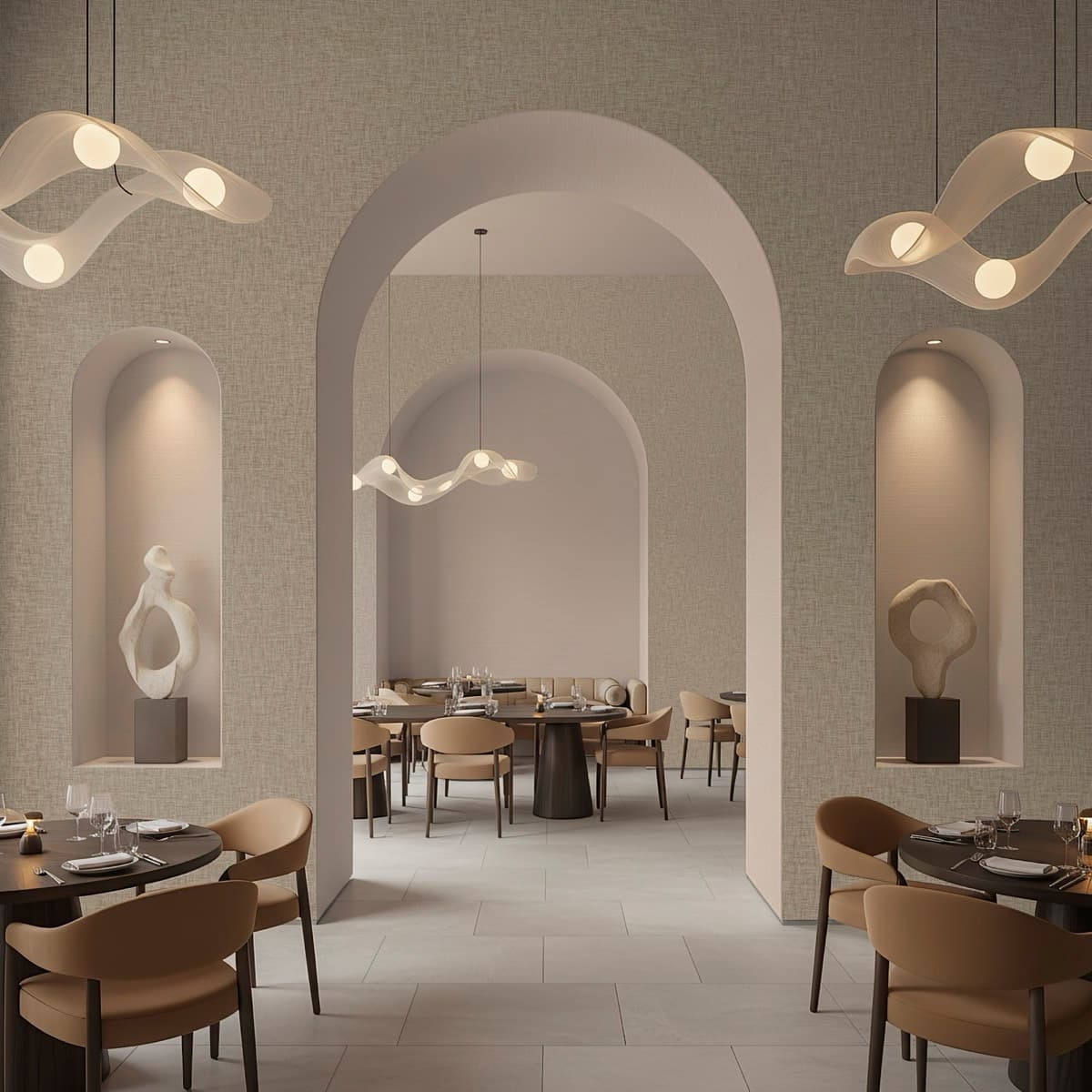
Heller's Worry Free Plastics: an organic additive that triggers biodegradation in landfill conditions. Standard polypropylene sits there for centuries. Heller's breaks down into nutrient-rich soil in about 5 years.
During normal use. No difference. No colour fade, no structural weakness. At end of life, you can return it for recycling credit.
Mobliberica. Ecological kilns, permanent surfaces
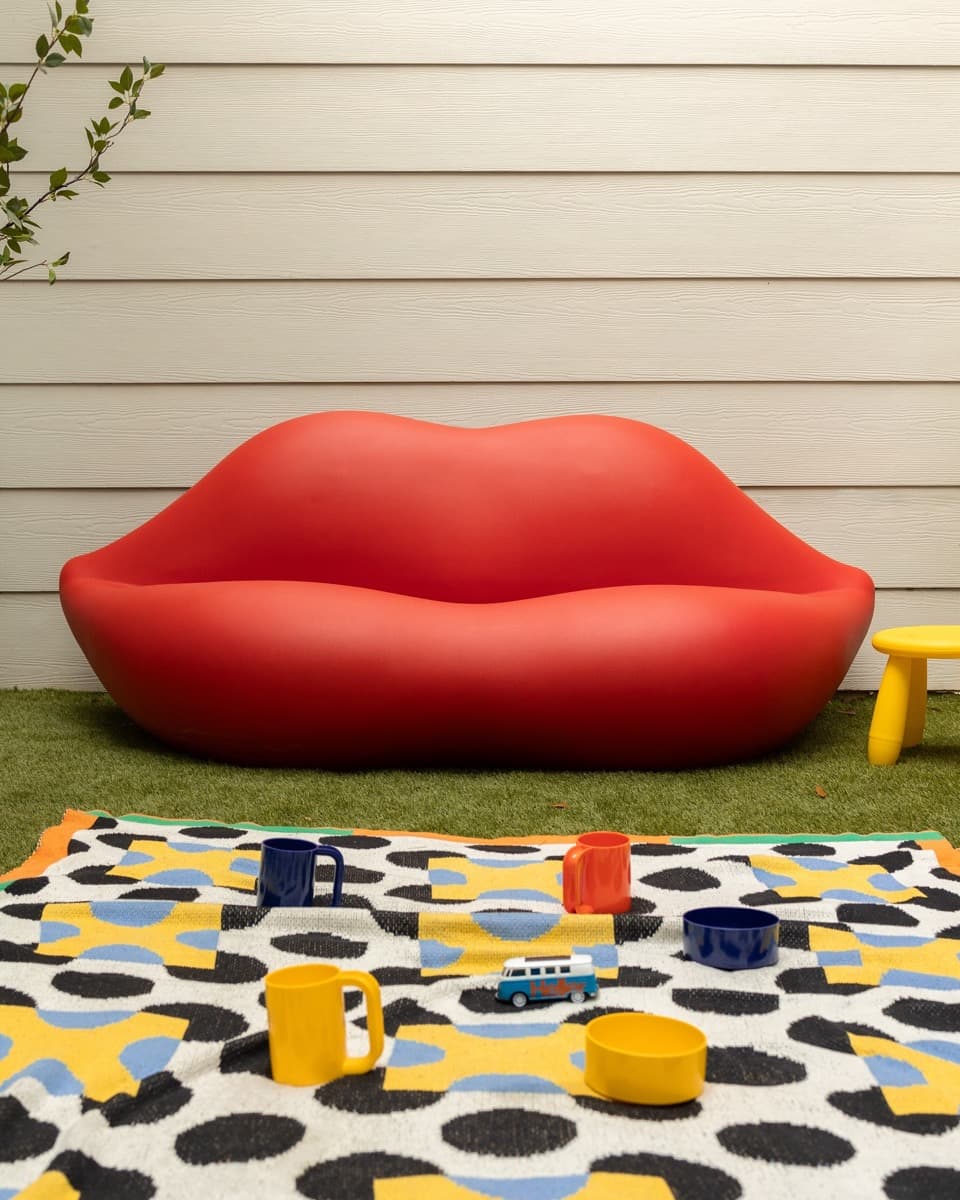
Mobliberica fires every ceramic surface in ecological electric kilns at 1200°C. No emissions. Just heat turning natural clays into something that doesn't degrade. Ever.
A table that lasts 20 years without refinishing doesn't need to be replaced. That's the sustainability argument nobody talks about: longevity. Their chairs run Kvadrat fabrics rated at 100,000+ Martindale cycles. Decades of use, not years.

Systemtronic — 35 years of making things that last
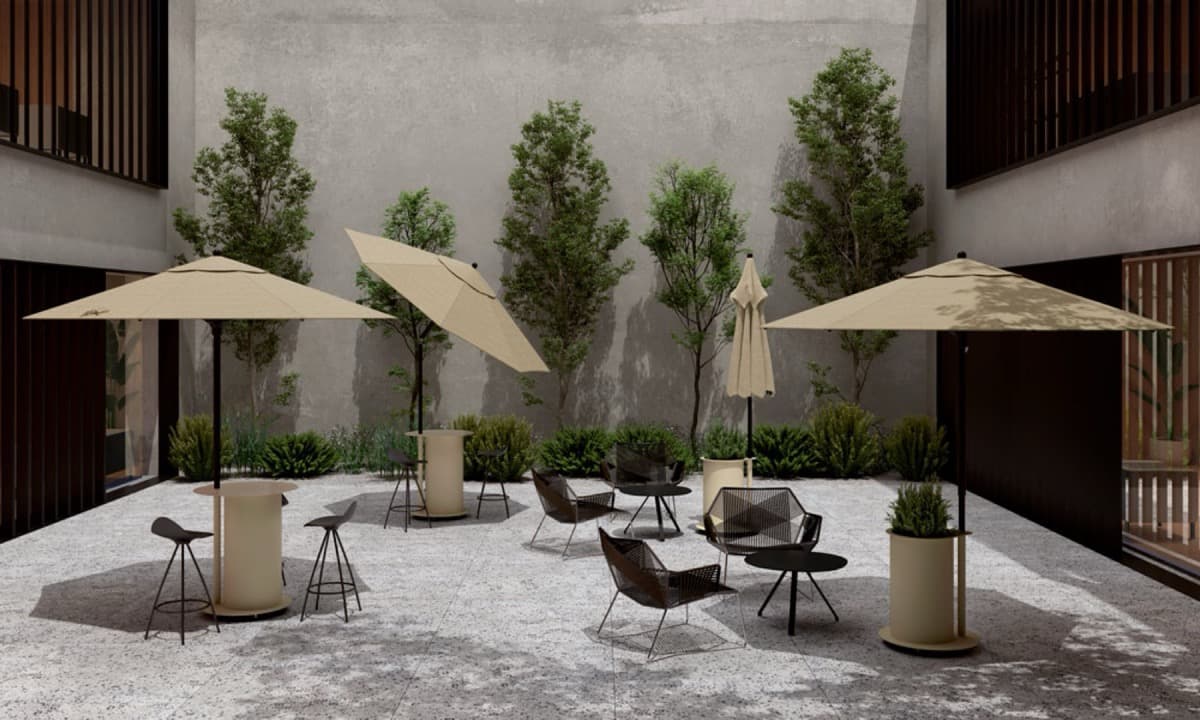
Systemtronic has been making planters, coat racks, and room dividers in Valencia since 1988. Aluminium and steel. Both infinitely recyclable without quality loss. Their designs are simple enough that they don't go out of style. A planter from 1995 still looks right in a hotel lobby today.
The real sustainability story
The most sustainable furniture is furniture you don't replace. A Mobliberica ceramic table doesn't need refinishing. A Heller chair biodegrades at end of life. A Creavalo panel is literally made from waste. A Systemtronic planter does its job for 20+ years.
If your project needs Green Mark documentation or ESG data, we have it. Material certifications, lifecycle assessments, recycled content numbers for every brand in the portfolio.